Career Growth Tips: How to Advance Faster in Your Professional Journey
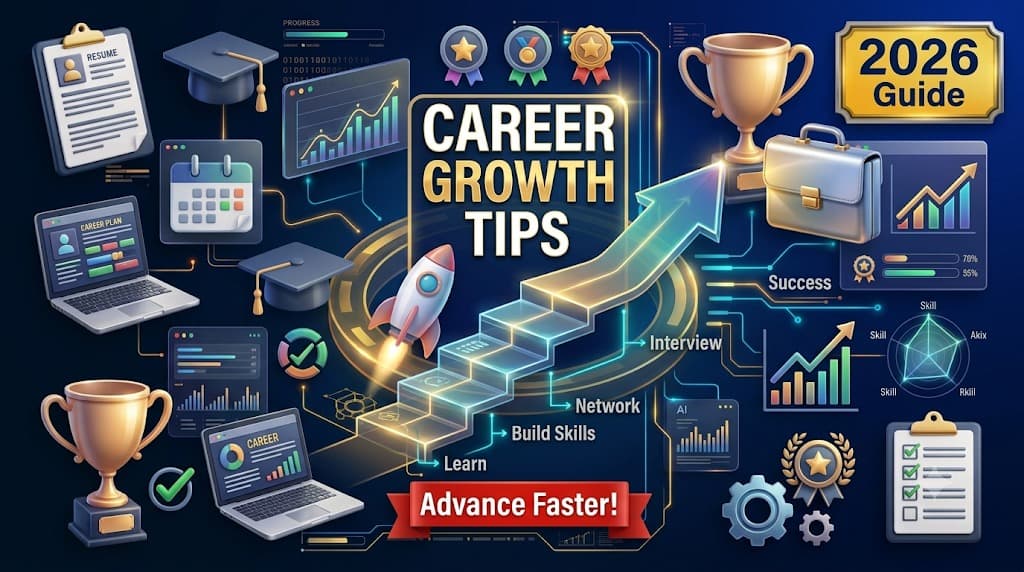
Most people think if they just show up and work hard, the promotions will come. They don't. The professionals who actually move up are intentional about it — they learn new skills on purpose, build real relationships, and make themselves visible in the right ways.
Why Career Growth Matters
Actively investing in your development helps you:
- Increase your earning potential
- Gain new responsibilities and leadership opportunities
- Improve job satisfaction
- Build professional credibility
- Stay competitive in a rapidly changing industry
Set Clear Career Goals
Short-Term Goals
- Learning a new technology or completing a certification
- Improving communication skills
- Leading a small project
Long-Term Goals
- Becoming a Team Lead or moving into Management
- Becoming a Subject Matter Expert
- Starting your own business
Continuously Learn New Skills
Technical Skills
- Cloud Computing, Artificial Intelligence, Data Analytics
- Cybersecurity, Programming Languages, Project Management Tools
Soft Skills
- Communication, Leadership, Problem Solving
- Time Management, Team Collaboration, Emotional Intelligence
Take Ownership of Your Work
Employees who consistently deliver quality results stand out. Meet deadlines, volunteer for challenging assignments, solve problems proactively, and focus on delivering measurable results.
Seek Feedback Regularly
Ask your manager, colleagues, and mentors: What am I doing well? Where can I improve? What skills should I develop next? Feedback helps identify blind spots and accelerates personal growth.
Build a Strong Personal Brand
Maintain an updated LinkedIn profile, share industry insights, publish articles, speak at events, and showcase successful projects. When leaders recognize your expertise, new opportunities follow.
Improve Your Communication Skills
Many professionals have excellent technical abilities but struggle to communicate effectively. Practice public speaking, business writing, active listening, and presentation skills. Communication is often the difference between being a good employee and becoming a great leader.
Build a Professional Network
Use LinkedIn, industry conferences, professional communities, alumni groups, and company events. Networking is about building genuine relationships — not just collecting contacts.
Find a Mentor
A mentor provides valuable career advice, skill development recommendations, industry knowledge, and professional support. Learning from someone who has already achieved your desired goals can significantly shorten your learning curve.
Improve Your Interview Skills
Career growth often involves applying for new roles, internal promotions, or leadership positions. Practice mock interviews on Roundexa.com and receive feedback to improve your interview performance and confidence.
Stay Adaptable
Professionals who embrace change are more likely to succeed. Learn emerging technologies, follow industry trends, be open to new responsibilities, and continuously upgrade your skills.
Track Your Achievements
Maintain a record of successful projects, revenue contributions, cost savings, awards, and certifications earned. These achievements become valuable for promotions, salary negotiations, or new job opportunities.
Final Thoughts
Career growth is a continuous process of learning, improving, and taking strategic action. By setting clear goals, developing valuable skills, building strong relationships, and preparing for future opportunities, you can accelerate your professional journey. Practice with AI-powered mock interviews at Roundexa.com and strengthen the skills needed to succeed.
Ready to Practice?
Take a free AI mock interview on Roundexa and get instant, actionable feedback before the real one.
Practice on RoundexaRead Next
10 LinkedIn Tips to Get More Job Opportunities
Recruiters are searching LinkedIn right now for someone with your skills. A few profile changes could mean the difference between being found and being invisible to hiring managers.
Skills Recruiters Look for in Freshers – What Hiring Managers Really Want
Recruiters don't just hire the most technically skilled candidate. Here's what they're really watching for in freshers — and how to show those qualities even if you're just starting out.